Clinical relevance
Addresses retained blood syndrome through physiologic, temperature-controlled flushing
 Email us
Every beat matters
Every heartbeat carries a life full of moments. When heart surgery is needed, recovery is the next vital chapter. Osalina is developing a flushing device designed to support recovery after heart surgery.

Addresses retained blood syndrome through physiologic, temperature-controlled flushing
Associated with 40% fewer pericardial reinterventions in a pooled analysis presented at EACTS 20241
Combines flushing, drainage, and monitoring in one device. Designed to support icu staff.
Every year, more than a million open-heart cardiac surgeries help people move toward a healthier future. Yet the hours after surgery remain a critical part of the patient's journey.
Blood can remain around the heart after surgery. If drainage is inadequate, clots may block the tubes and lead to further complications. The work of recovery continues beyond the operating theatre.
The clinical insight →Post-operative drainage is a small part of the operation but it is a vital part of recovery.
Global volume estimate, 2024 · Karimov et al., 2013Retained blood syndrome (RBS) affects approximately one in five patients after cardiac surgery. Blood left around the heart or lungs can impair their function within hours and trigger inflammation lasting weeks to months. Persistent inflammation may lead to scarring that restricts heart function or lung expansion. Associated with further procedures and longer hospital stays, RBS makes effective blood drainage an important priority in postoperative care.Niemann and Grieshaber, 2025
Strong clinical relevance
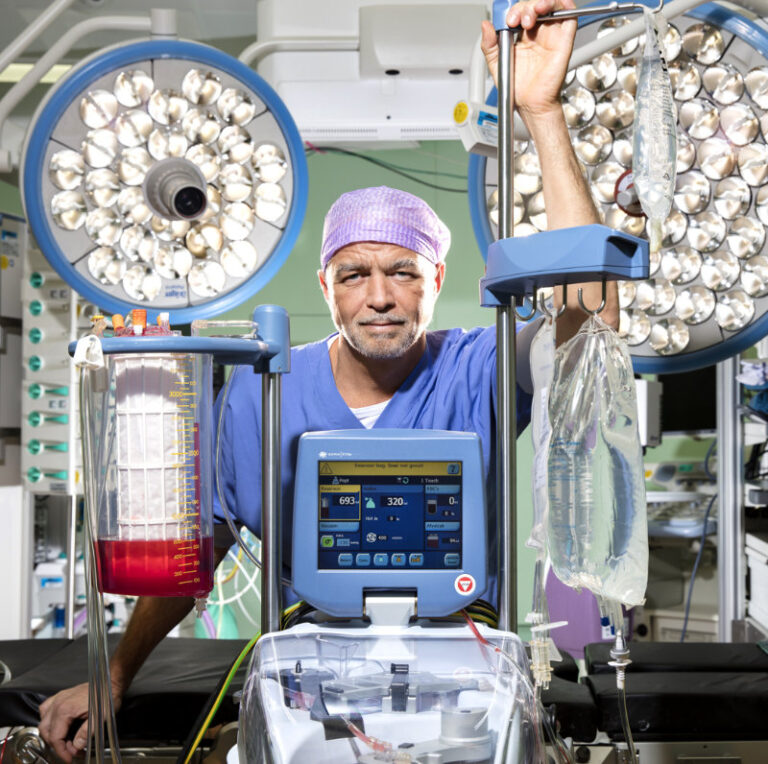
As a cardiac surgeon, Dr. Dave R Koolbergen saw how much care goes into a successful operation—and how vulnerable the hours after it can be. That clinical question became the starting point for continuous postoperative pericardial flushing.
“There is no successful heart surgery without successful post-operative care.”
The development
Supported by 11 years of clinical history established through a robust development phase. Our therapy builds on academic proof-of-concept research at Amsterdam UMC, followed by two randomized controlled trials (RCTs) that provided further clinical evidence. The study with the prototype demonstrated efficacy on reduction of blood loss in a multicenter RCT and informed the development of our patented technology for automating the procedure. Pooled data from the academic research and prototype studies provided evidence supporting safety and efficacy, alongside technological proof of concept to guide development of a fully automated solution.
Our solution
Osalina is developing an automated system providing continuous postoperative pericardial flushing with drain output monitoring.
Device under development. Not CE marked or FDA cleared or approved. For information only; not available for sale.
Clinical research
Three randomized trials have studied continuous postoperative pericardial flushing, with pooled data from 744 patients. These findings relate to the therapeutic approach, not the Osalina system; product validation and regulatory review remain ahead.
Reduction in pericardial reinterventions in a pooled analysis
p = 0.044Patients included in the pooled clinical analysis
Randomized trials have studied the CPPF approach
Additional confirmatory study planned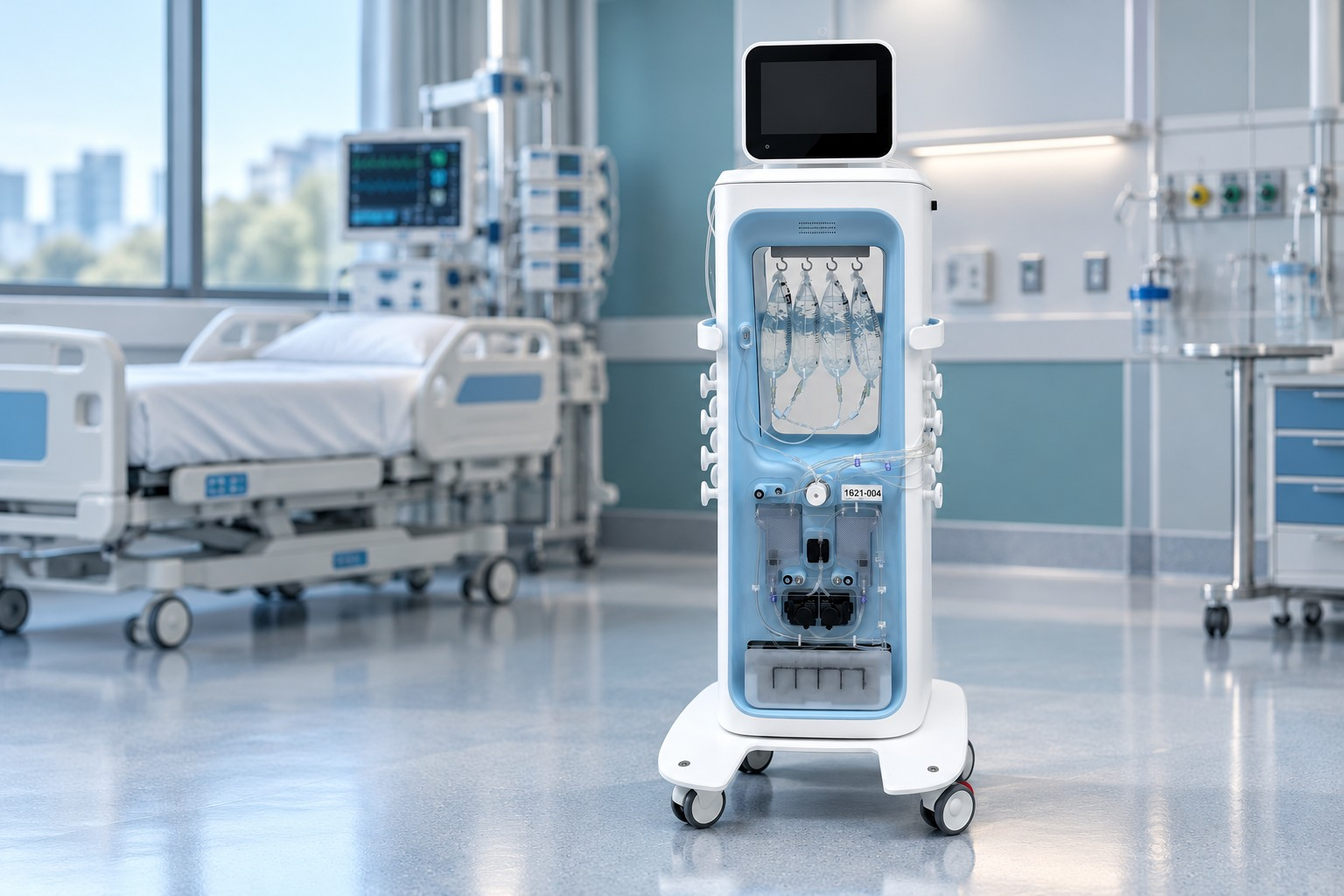
Our team
Our team combines complementary healthcare knowledge with expertise in engineering, quality and commercialization to translate clinical needs into practical innovations for medical teams.

Chief Executive Officer

Chief Operating Officer

Chief Financial Officer
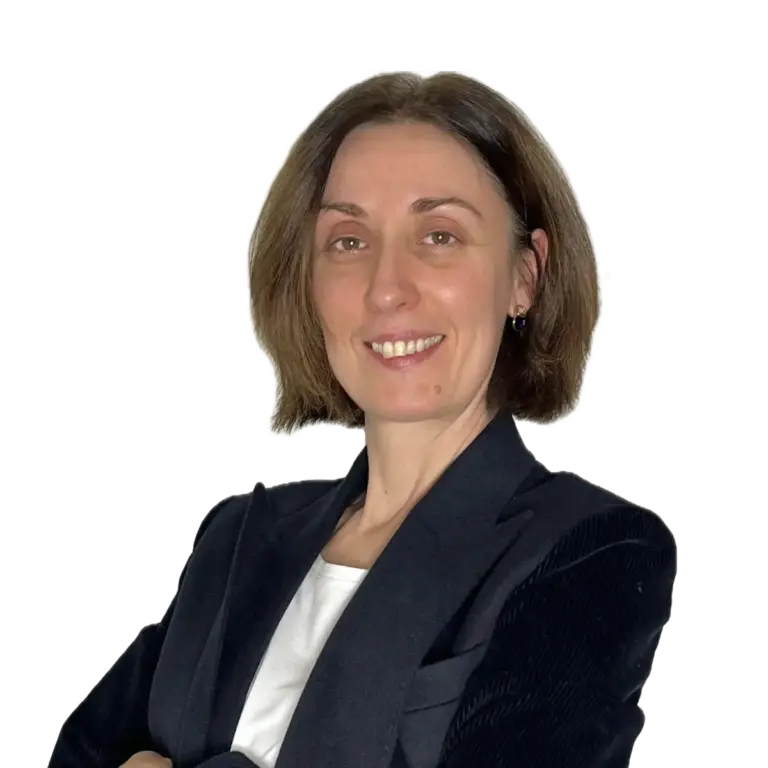
Quality & Regulatory Affairs Director

Marketing Lead
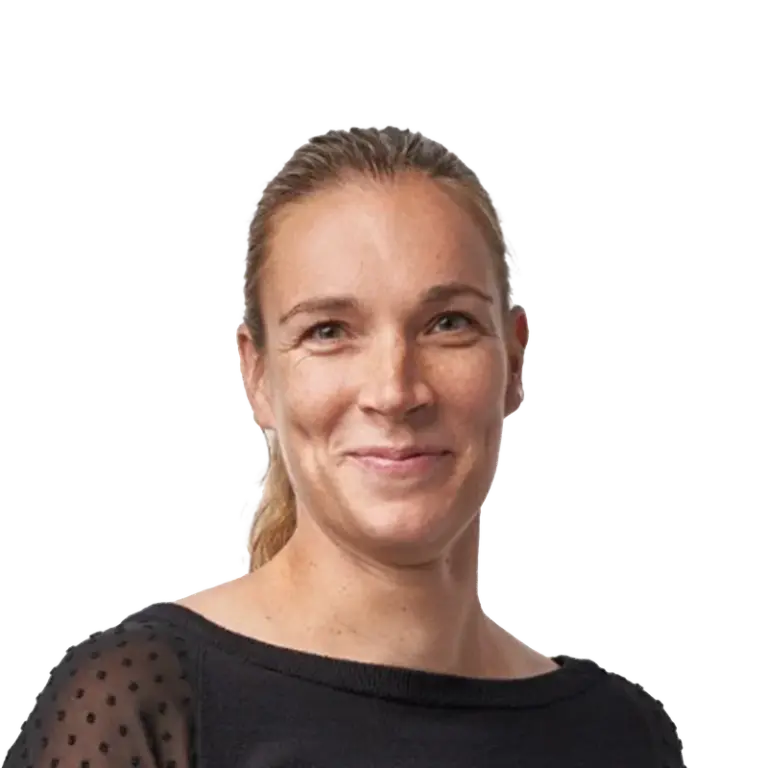
Clinical Trial Lead

Biomedical Engineer
Our strategic direction is further refined by a diverse Advisory Panel that provides a 360-degree view of the cardiac surgery ecosystem. Their combined wisdom ensures us to address the specific clinical and economic needs of surgeons, intensive care units, hospital administrations, and payers alike.
A connected ecosystem
Clinical, research, technology and innovation partners contribute to the work behind Osalina.












Osalina Medical
We are bringing our first product toward its next clinical and regulatory milestones. Connect with us to follow the journey or explore a partnership.
Email us